Upper Primary
Where curiosity becomes capability.
The early years teach children how to love learning. Upper Primary teaches them how to succeed at it.
This is one of the most important transitions in a child’s education. Students begin moving from an integrated, teacher-guided program into a more structured academic environment where subjects become distinct, expectations rise, and children gradually develop the independence needed for Middle School and beyond.
Every change introduced during these years is intentional. We ask children to become more organised because they are ready. We expect greater responsibility because they are capable. We introduce specialist teachers because expertise matters. And we begin assessing academic achievement through percentage grades because students are now ready to understand performance, feedback and improvement.
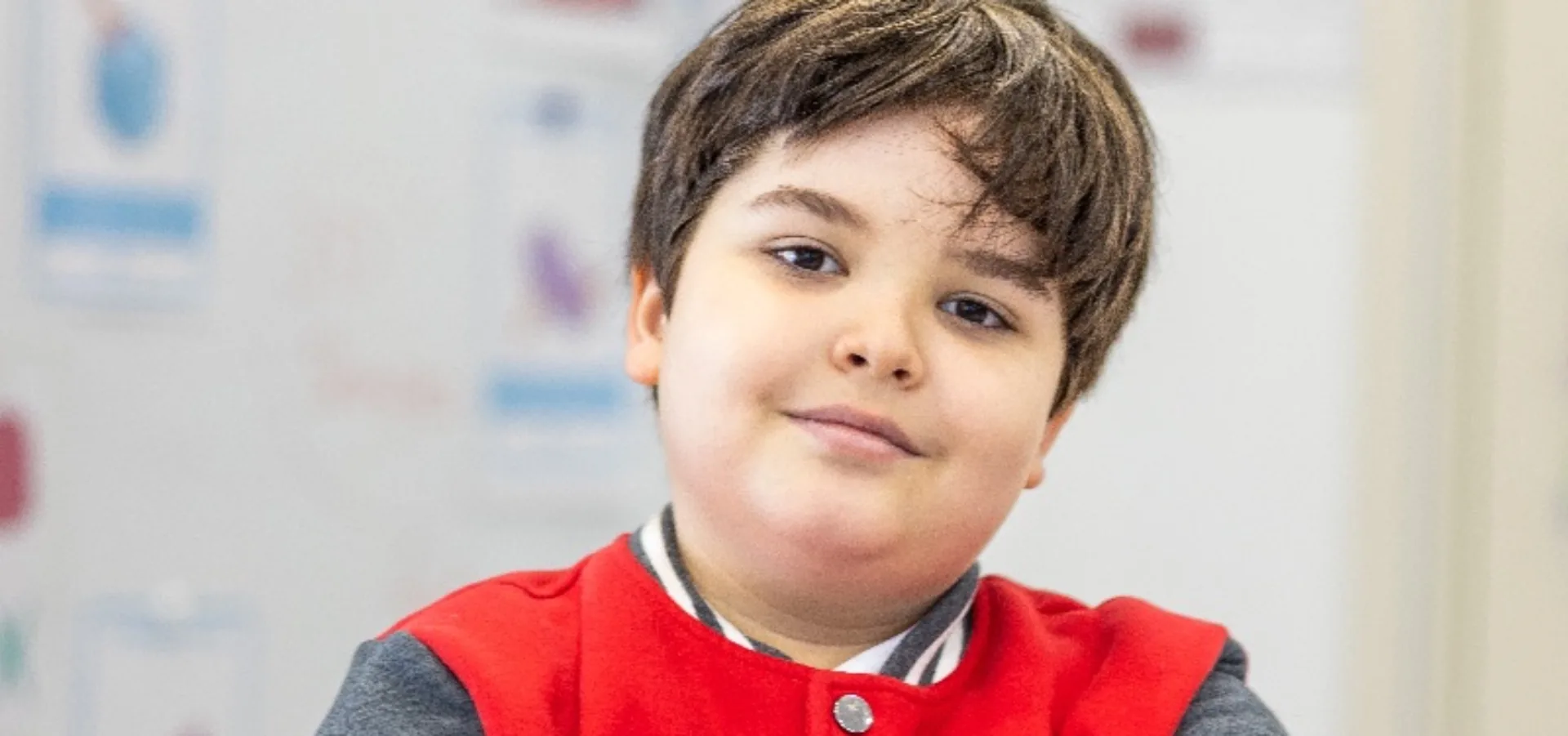
Building confident academic learners
Upper Primary is where the academic core expands significantly. English Language Arts moves beyond learning to read and focuses increasingly on reading to learn. Students explore increasingly sophisticated literature, develop vocabulary, strengthen writing across multiple genres and learn to communicate ideas clearly and confidently.
Mathematics progresses from basic number fluency into multiplication, division, fractions, geometry and mathematical reasoning. Lessons continue to emphasise conceptual understanding and problem-solving rather than memorisation alone.
Science introduces students to structured scientific investigation, observation and experimentation, encouraging them to ask questions, gather evidence and think critically about the world around them.
Social Studies broadens students’ understanding of communities, geography, history and citizenship, helping them recognise both their own culture and the wider world they belong to. These four subjects remain the heart of the CST curriculum because they provide the intellectual foundation upon which every later subject depends.
English becomes the language of learning
For many students, Grade 3 marks an important milestone. The structured EFL program that supported students in Lower Primary begins transitioning children into full English Language Arts. Those who still require additional language support continue receiving targeted assistance without lowering academic expectations.
Our philosophy is simple: support changes, standards do not. Children are never expected to know English before joining CST. They are expected to develop it here, until it becomes the language through which they confidently learn every subject.
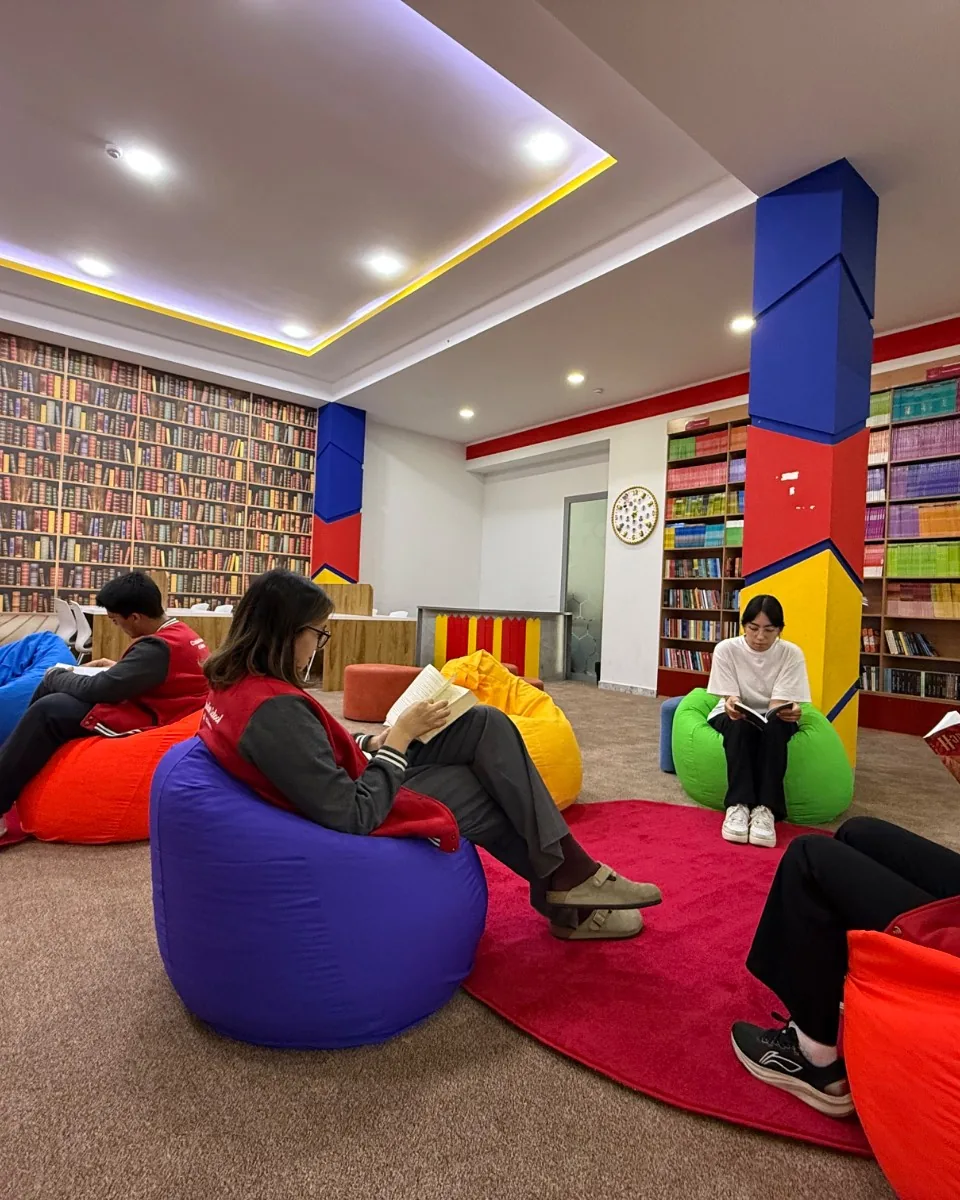
Expertise, without losing consistency
As children mature, they also begin learning from specialist teachers. Physical Education, Music, Visual Arts and language are taught by subject specialists, while the Homeroom Teacher continues leading the academic core and guiding students through their daily learning. Uzbek joins Russian from Grade 3, so every CST student grows up trilingual by design, fluent in English for learning while staying rooted in their own language and culture.
This prepares children for Middle School without sacrificing the consistency and security of a strong homeroom environment. Students experience the benefits of specialist expertise while still enjoying the close relationships that define primary education.
Developing the whole child
Academic success alone is never enough. Alongside the core curriculum, students continue developing creativity, physical wellbeing, communication skills and personal responsibility through specialist arts, music, health education and physical education.
Students also begin structured Computing and Digital Literacy, learning not simply how to use technology, but how to think logically, solve problems and use digital tools responsibly. These experiences provide the first steps into CST’s Future-Ready program, which continues all the way to graduation.
Assessment that prepares, not pressures
Upper Primary introduces percentage grades, but assessment is designed to improve learning rather than simply measure it. Teachers use regular classroom assessments, projects, written work and practical tasks to understand each student’s progress. Formal reporting helps families monitor academic growth while detailed teacher feedback explains strengths, identifies areas for improvement and provides clear next steps.
At CST, assessment is not designed to label children. It is designed to guide them. Teachers continually use formative assessment to adjust instruction, while summative assessments provide reliable evidence of achievement against clearly defined learning outcomes.
What your child studies
By the end of Grade 5, students leave able to
Next chapter · Grades 6–9. See how the journey builds from here.