
Robotics, FLL & FTC.
Competitive FIRST robotics teams, younger students in FIRST LEGO League, seniors in FIRST Tech Challenge. National qualifiers, international rounds.
Read more →
An academic transcript shows what a student has learned. Their life outside the classroom shows what they have become. At CST, the hours after lessons are not an afterthought. They are where curiosity becomes commitment, where friendships cross continents, and where leadership is practiced in low-stakes settings until it becomes second nature.
Every student is expected to commit to at least one co-curricular activity each year. Not because we believe in box-ticking, but because we believe that the parts of life that matter most are rarely measured by exam.
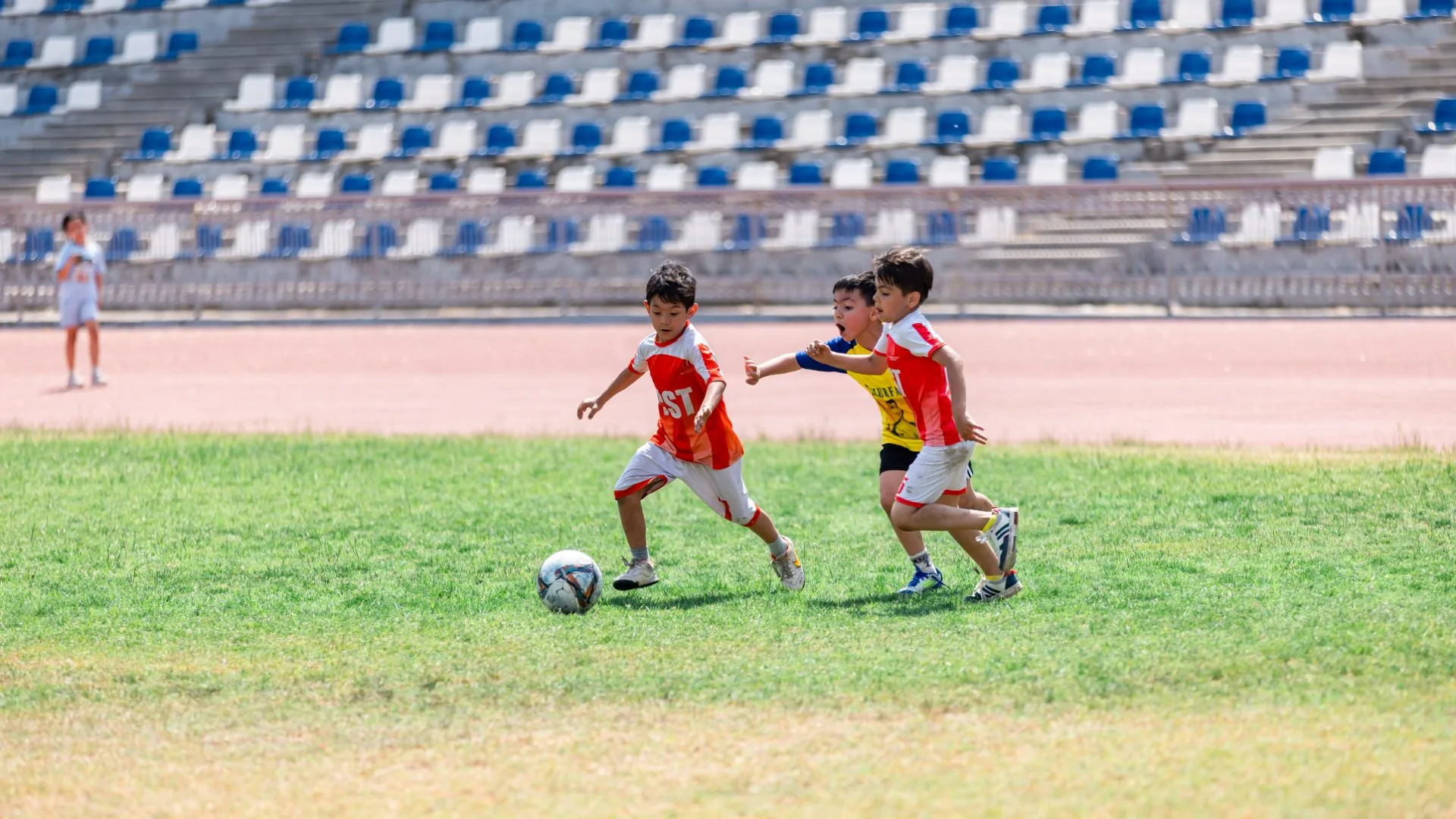
Explore the programsFootball, basketball, and volleyball squads competing against international and Tashkent schools. Inter-school tournaments through the academic year, with travel for senior teams to fixtures across Central Asia.
Swimming, athletics, gymnastics, and martial arts. Coached at the partner gymnasium with progression pathways from beginner to competitive level. Students train with age-grade peers regardless of CST grade.
Day trips and overnight expeditions for Middle and High students. Hiking, camping, and team challenges in the Chimgan and Charvak mountain regions. Outdoor confidence is built into how CST teaches its students.
Drawing, painting, printmaking, mixed media, and digital design. Students keep working portfolios from Lower Primary onward and exhibit in two annual school-wide shows. Senior students with a portfolio can pursue Visual Arts 10 as a Nova Scotia credit course.
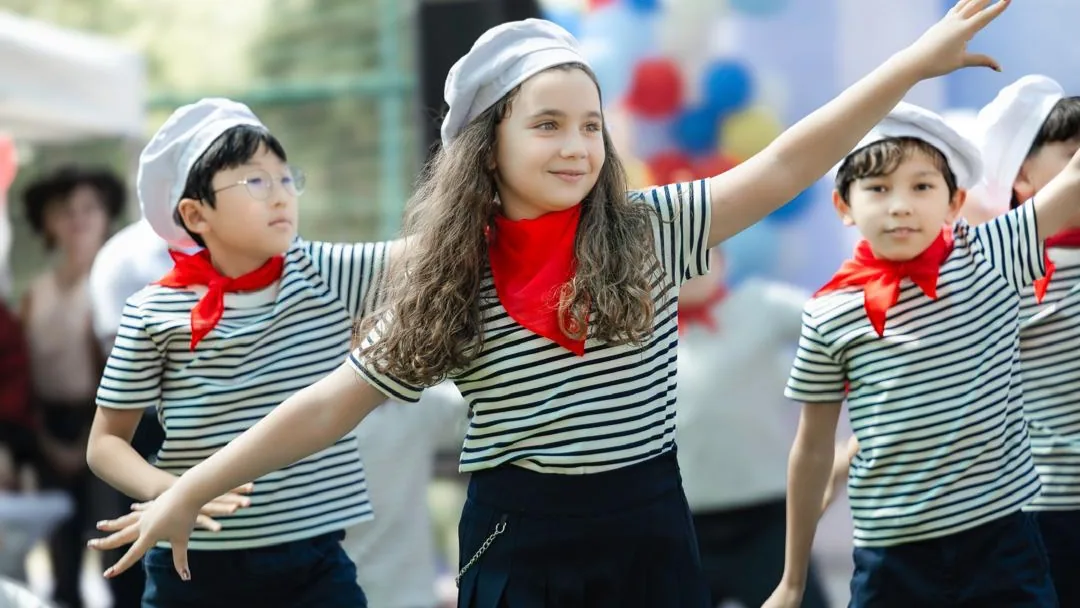
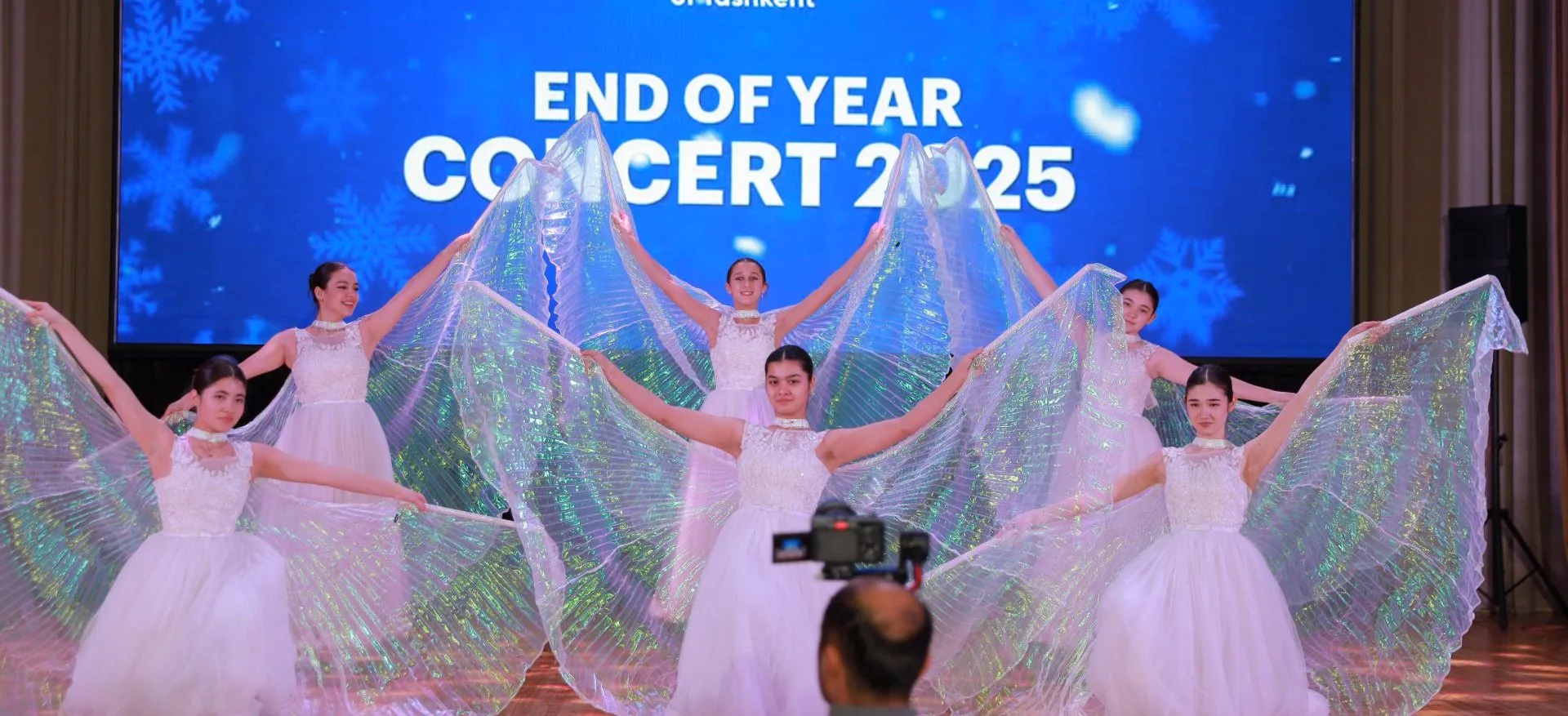
CST aims for up to two main-stage productions each year: one for Primary and Middle School, one for the upper grades. Students learn acting, stagecraft, lighting, sound, and direction. The annual showcase is a community highlight families do not miss.
Choir, instrumental ensembles, and a contemporary music program covering guitar, keyboard, and percussion. Students from Grade 3 onward can audition for the senior choir. Instrumental tuition is available through the after-school program.
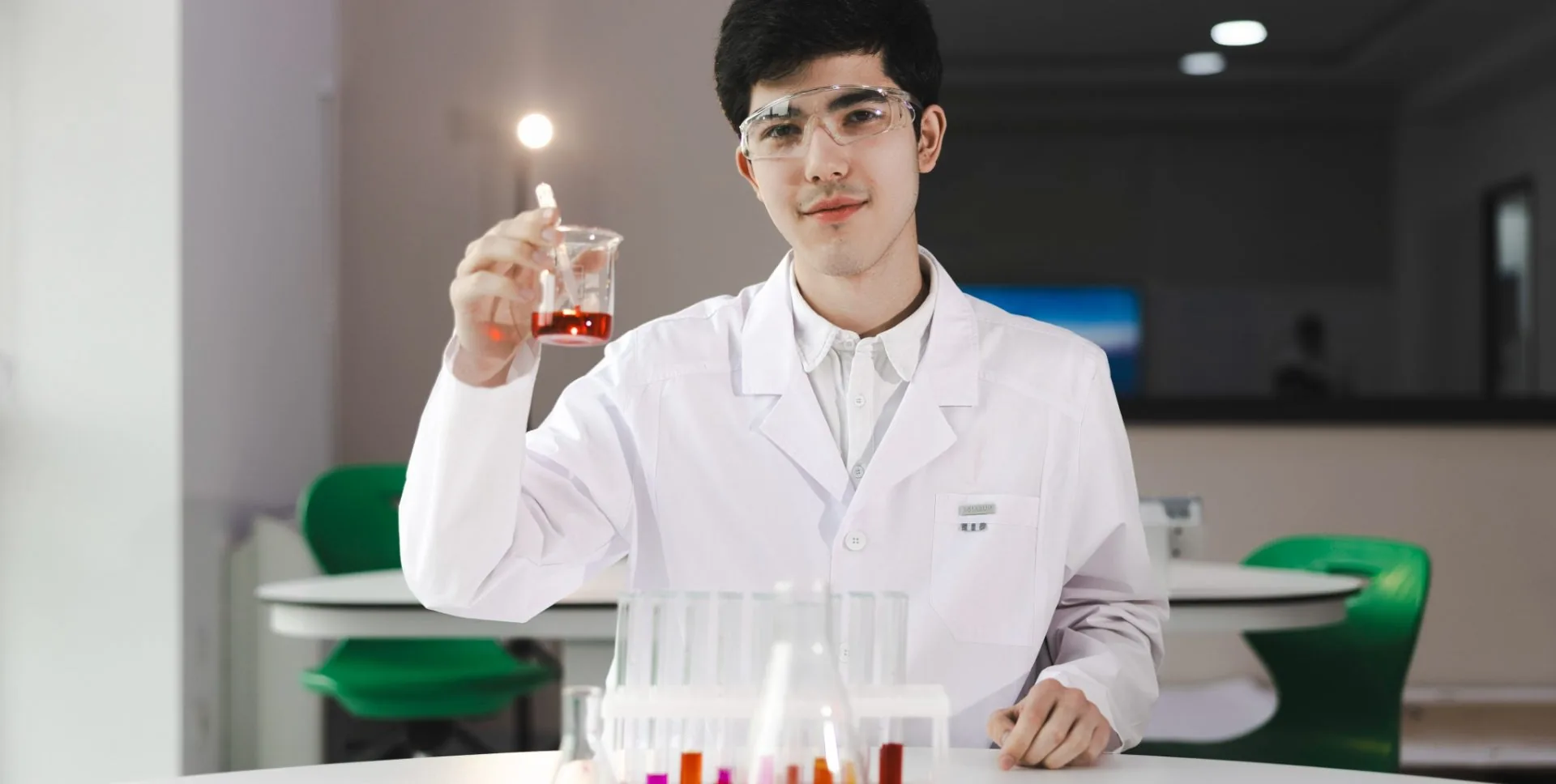
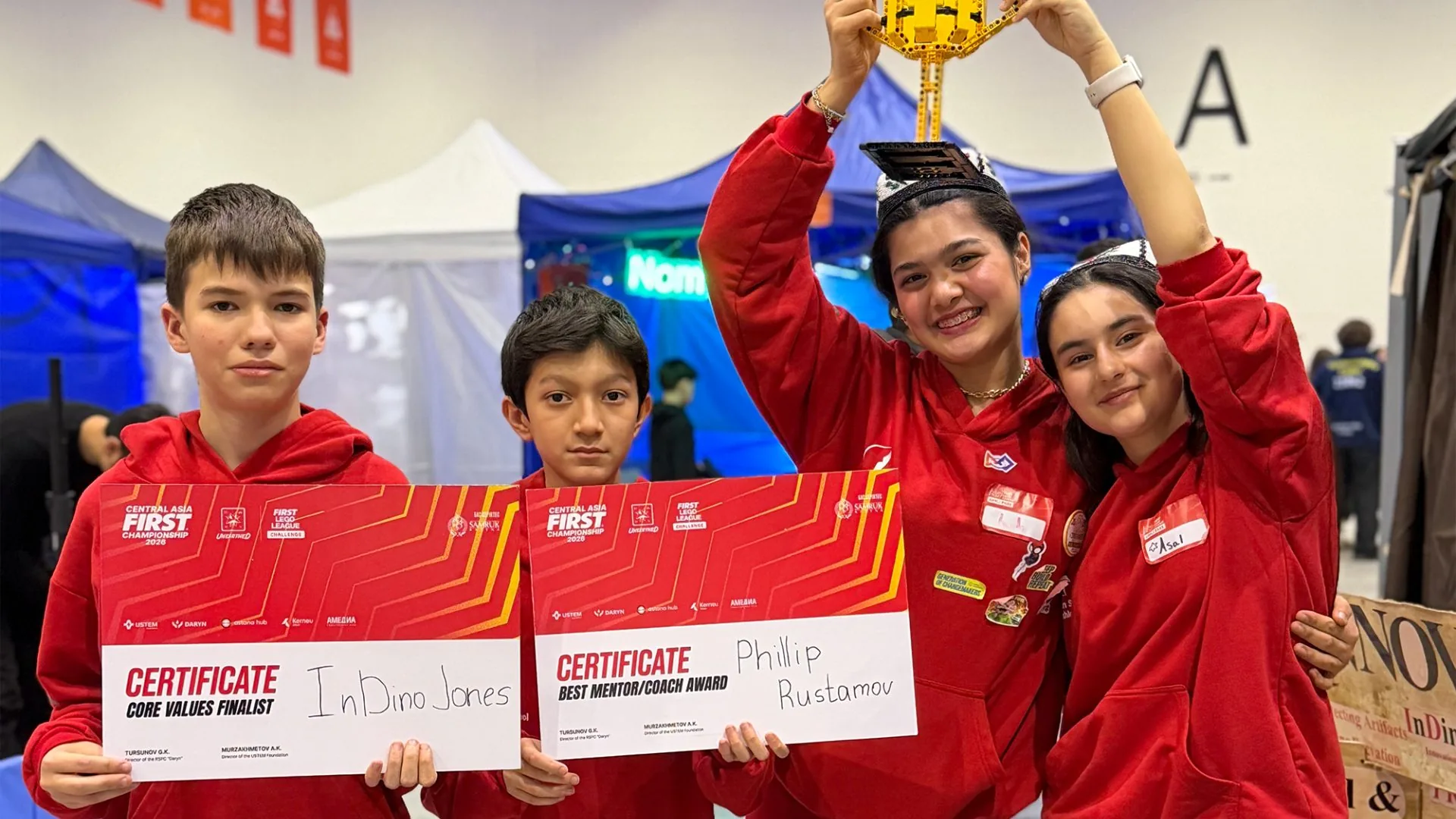
Competitive FIRST robotics teams, younger students in FIRST LEGO League, seniors in FIRST Tech Challenge. National qualifiers, international rounds.
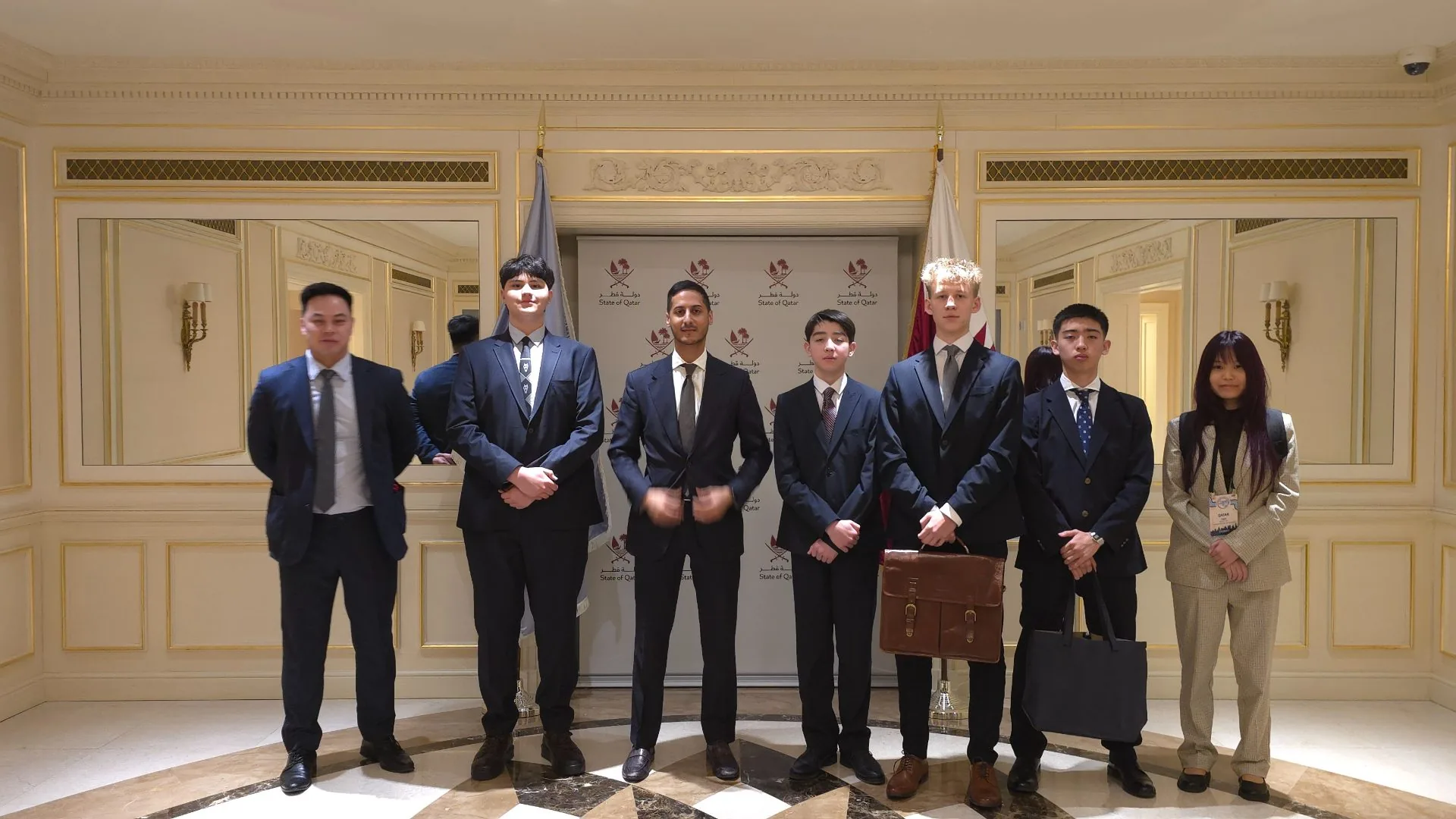
Read more →Students prepare country positions, draft resolutions, and debate in formal MUN procedure. Year-round practice in English and Russian, with delegations selected for international conferences.
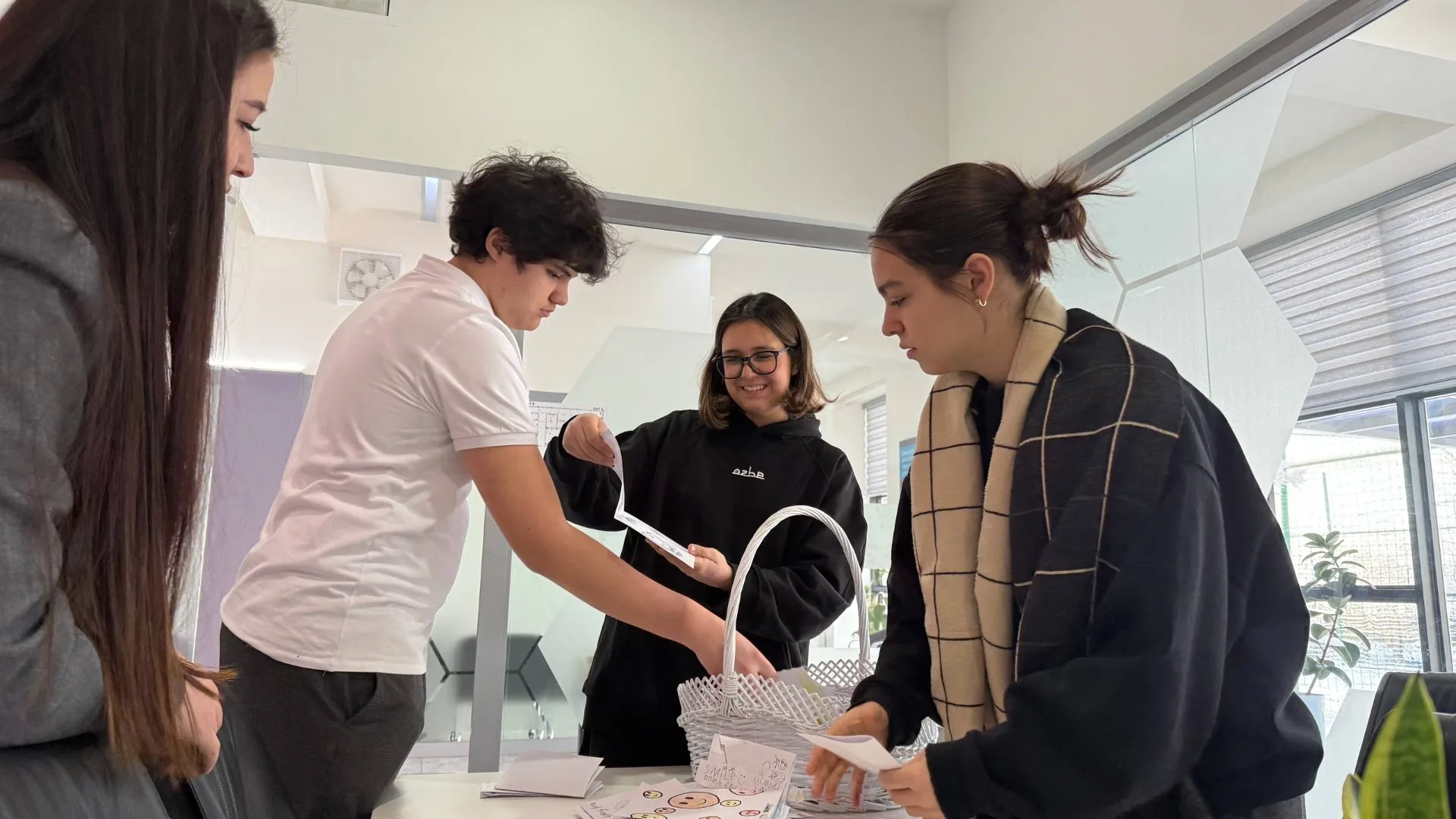
Read more →Structured community service for Middle and High School students, a monthly commitment that includes tutoring, school events, and partnerships with local organisations.
Read more →A robotics team captain. A debate club chair. A Grade 11 ambassador leading a campus tour. The first time a student leads is rarely in a classroom, it is at a rehearsal, a field trip, a science fair.
Real bonds form across thirty-four passports on the football pitch and in the music room, in service projects and shared rehearsals. The community a child grows up in becomes part of who they are.
Some students find themselves on a stage; others through a team, a lab, a campaign, a cause. Our role is to keep the doors wide enough that every child finds the one that opens onto their life.
We do not believe in “extracurriculars.”
At CST, this is the curriculum: the part you cannot examine.
Our FIRST LEGO League team reached the regional final in Astana this year, competing against twenty-four schools from across Central Asia. FTC senior teams compete in the autumn season.
CST delegations have participated in international MUN conferences in Astana, Kazakhstan and New York, USA, with students taking on committee roles in English and Russian. Preparation runs through the year.
Students compete in Uzbekistan’s national olympiads across mathematics, science, and languages, alongside the international competitions CST’s curriculum prepares them for.
The school day at CST does not end when lessons do. Between dismissal and pickup, students stay on campus for clubs, supervised study, sports training, and rehearsals, with full staff supervision the entire time.
A quiet, staff-supervised study period after lessons. Students complete homework, read, or work on long-term assignments. Available to all grades and useful for families with a later pickup time.
Most clubs meet after school: Robotics, MUN, sport training sessions, drama rehearsals, art studio time. The schedule is shared termly so families know exactly when each program runs.
Students remain under school supervision until they are collected. No child is left unsupervised on campus. Pickup arrangements are confirmed at enrollment and changes communicated through the school office.
The thing about CST is that nobody is only a student. Everyone has at least one other thing that makes them them.
The best way to understand life at CST is to spend time on campus. Trial a class. Watch a rehearsal. Sit in on a robotics session. Then decide.