
Canadian School of Tashkent. A Canadian education,
built for tomorrow's world.
Built around the child.
Built for the world they will enter.
The CST curriculum is rigour-first. Traditional where tradition serves the child, progressive where progress does. We hold high academic standards in core subjects, then deliberately develop the future-ready capabilities that those standards alone cannot produce. The two are not in tension, they are complementary.
From foundations laid in Kindergarten that pay off by Grade 12, every subject is a single continuous K–12 journey. We protect curiosity in the early years, build inquiry and intellectual challenge through Primary and Middle, and culminate in the Nova Scotia licensed High School program, where our students are ready for any university in the world, and they know it.
Begin the journeyWe want students to fall in love with learning.

Not what to think, but how.
Our work is not to teach students what to memorise. It is to help them discover the joy of learning, the moment a concept clicks, the thrill of an idea that opens a door.
Habits that outlast the lesson.
Students who genuinely love learning become explorers, creators, builders, innovators, the kind of people who keep growing long after a teacher stops watching. The habits formed here are what carry them through university and the years beyond.
Education that doesn’t end at graduation.
The world changes too quickly for learning to stop at eighteen. Our job is to send students forward with the tools, the confidence, and the curiosity to continue learning long after school finishes.
The goal is not students who depend on their teachers.
It is graduates who can go further than we did.
Four categories.
One complete education.
Core Academic.
English, Mathematics, Science, and Social Studies, the foundation of intellectual rigour, taught to Nova Scotia examination standards.
National Languages.
Russian from Kindergarten, Uzbek from Grade 3, both through Grade 11. Heritage language keeps a global student grounded.
Specialist & Arts.
Physical Education, Visual Arts, Music, Drama, and Health, the modes of intelligence academic study alone cannot produce.
Future-Ready Studies.
Sixteen named courses across four pillars. Mandatory, not enrichment. Built for professional environments not yet fully formed.
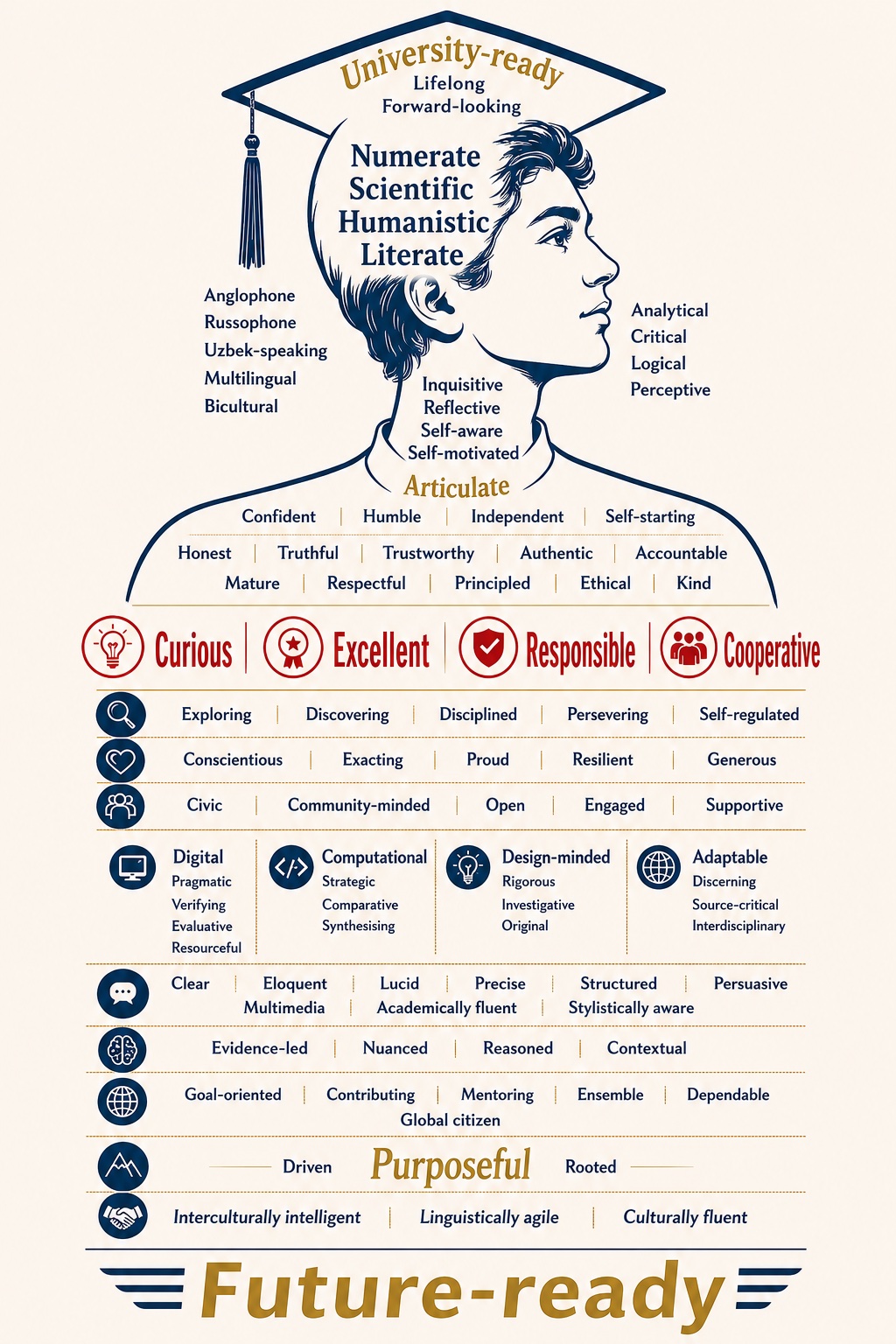
Who walks out of CST at the end of Grade 12.
Every period allocation, every assessment, every staffing decision serves a single outcome: producing graduates who are academically rigorous, linguistically fluent, technologically capable, and ethically grounded.
Our Graduate Profile is not a marketing statement. It is the functional destination of the curriculum.
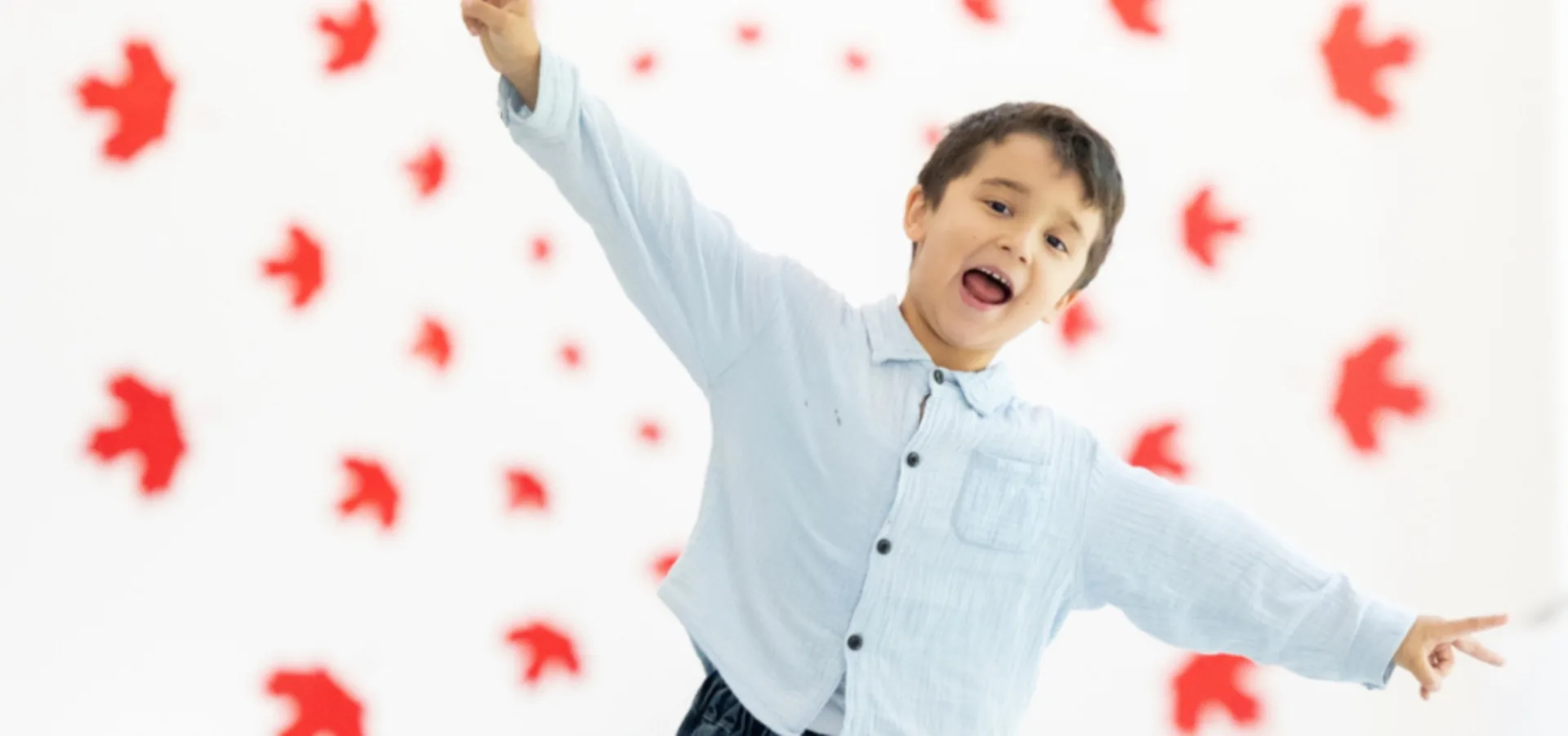
Curiosity is the curriculum.
The day is anchored by a daily 120-minute Literacy Block, Jolly Phonics paired with the Oxford Let's Go program builds reading from the very first sound. Mathematics is delivered through Maths, No Problem!, Singapore-style mastery learning.
Science, Humanities, and the wider world are taught as one integrated subject, Inquiry, because for five-to-eight-year-olds the world is not yet divided into subjects. Every classroom is led by a homeroom teacher and a co-teacher working as a pair, so no question goes unheard.
- Literacy Block
- Mathematics
- Inquiry, Science, Humanities & the World
- Russian Language
- Physical Education & Dance
- Music
- Visual Arts
- Drama & Performing Arts
- Health & Wellbeing
- Computing & Digital Literacy
- Nap Time (Kindergarten only)
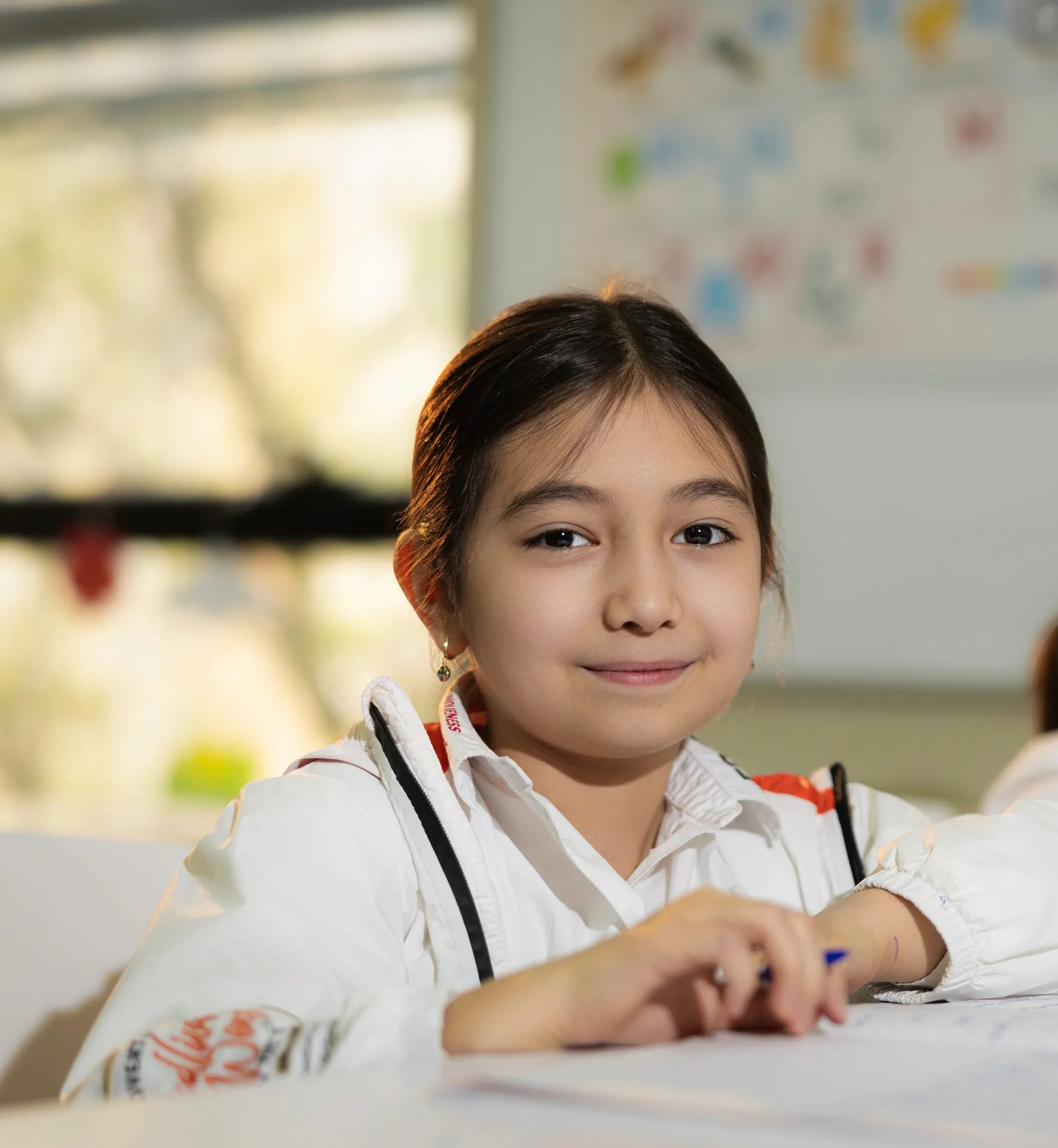
Where young minds begin to question.
Children stop learning to read and start reading to learn. English Language Arts becomes a discipline in its own right, anchored by the Wonders ELA program. Mathematics deepens into multi-step problem solving. Science and Social Studies separate from Inquiry and become distinct subjects.
Uzbek joins Russian from Grade 3, every CST student grows up trilingual by design. Computing & Digital Literacy expands to two periods a week, building the foundations for the Future-Ready sequence that begins at Grade 6.
- English Language Arts
- Mathematics
- Science
- Social Studies
- Uzbek Language
- Russian Language
- Physical Education
- Music
- Visual Arts
- Health Education
- Computing & Digital Literacy

Where independence
becomes an academic skill.
Subject specialization begins. ELA shifts to dedicated middle-school programs. Science expands to four periods a week with formal laboratory investigation. The Future-Ready Studies sequence launches in early Middle School, with students moving through web design, software development, photo and video, and robotics across the band.
By the end of Middle School, Science culminates in a sustained research project presented at Science Fair, and ELA prepares students for the analytical task formats of senior years. Every Middle School graduate has held a sustained academic argument, conducted independent research, and built something with their own hands.
- English Language Arts
- Mathematics
- Science
- Social Studies
- Uzbek Language
- Russian Language
- Physical Education
- Music
- Visual Arts
- Health Education
- Computing & Digital Literacy
- Digital Citizenship & Computing
- Effective Communication Skills
- Web Design & Development
- Photo, Video & Content Creation
- Vibe Coding & Application Design
- Robotics & Physical Computing
- Digital Media & Animation
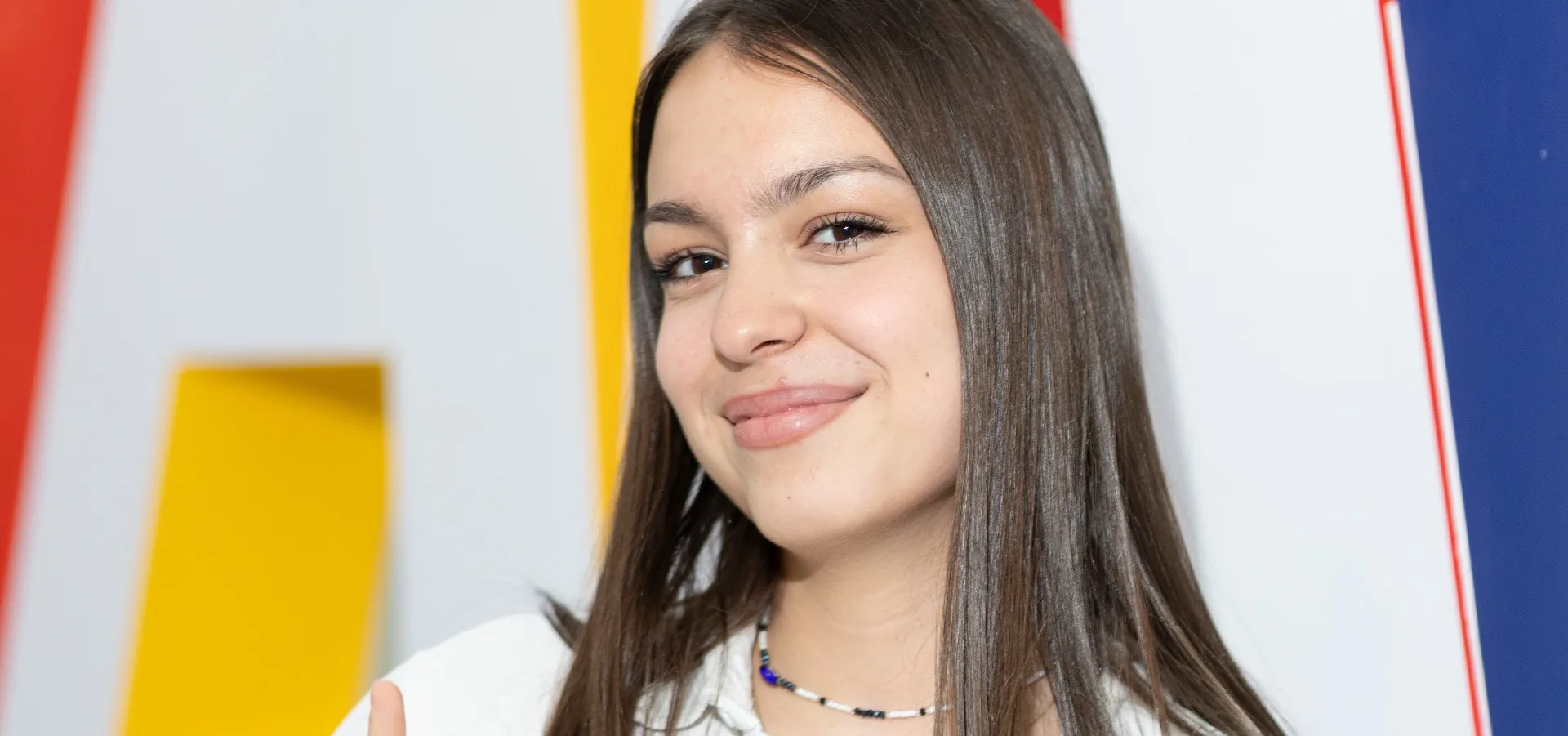
Your passport to the world's best universities.
Delivered under license from the Province of Nova Scotia for Grades 10 through 12. Students earn a Nova Scotia High School Diploma, recognized by universities in Canada, the UK, the US, Europe, and Asia without translation or equivalency review.
- English Language Arts
- Mathematics
- Pre-Calculus
- Science
- Chemistry
- Physics
- Biology
- Canadian History
- Global Politics
- Uzbek Language
- Russian Language
- Physical Education
- Music
- Visual Arts
- Learning Strategies
- Philosophy & Ethics
- AI Literacy & Cyber Security
- Personal Finance & Economics
- University Guidance & Career Development
- University Application & Preparation
- Environmental Studies
- Psychology & Human Behavior
- Executive Skills & Personal Leadership
- Interactive Game Design
What the Nova Scotia
diploma actually means.
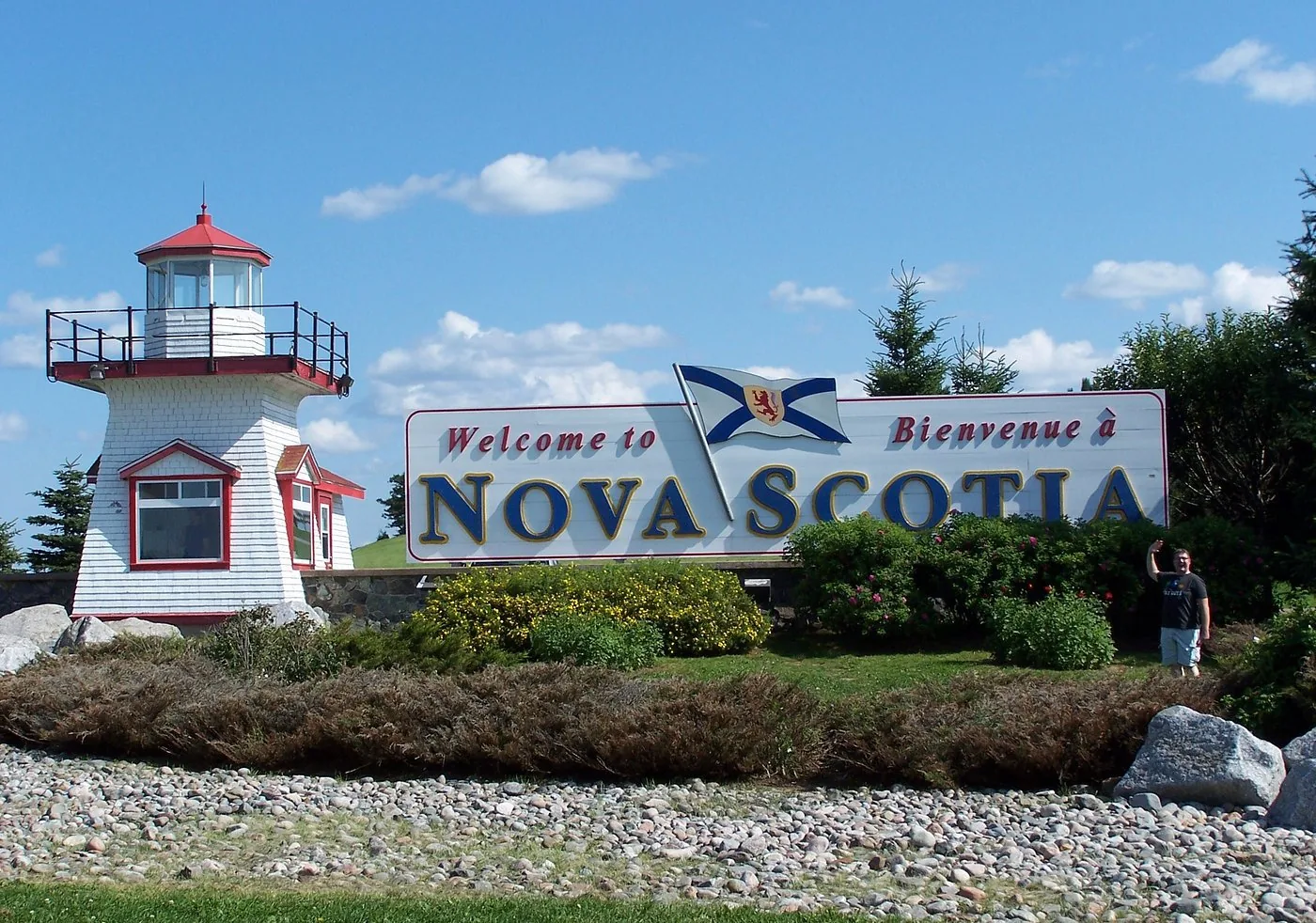
What is the Nova Scotia Public School Program?
The official provincial curriculum framework governing all public and licensed schools in Nova Scotia, Canada. It defines what students learn at each grade, how they are assessed, and the competencies they must demonstrate to earn credits toward the Nova Scotia High School Diploma, the same standard our students meet in Tashkent.
A credential read without translation.
Students earn the credits prescribed by Nova Scotia, exactly as their peers in Halifax do. The transcript is issued in English, lists every course and grade, and is read by universities worldwide as equivalent to a Canadian secondary school leaving certificate. No translation. No equivalency review. No asterisks.
Assessment that informs,
not just grades.

Six-level mastery scale (K to 9)
Across the K to 9 program, student progress is reported on a six-level scale: Mastery, Proficient, Developing, Approaching, Emerging, Beginning. Each level describes what a child can actually do, not just where their average sits.
Canadian credit grades (10 to 12)
In the Nova Scotia Senior program, students receive percentage-based grades for each credit course, paired with detailed narrative feedback. Final transcripts follow the Nova Scotia provincial reporting standard precisely.
Parent-teacher conferences
Scheduled conferences across the year give families unhurried time with classroom teachers, to discuss progress, name challenges, and plan growth. Our doors stay open well beyond formal meetings.
Our goal is not to teach a curriculum. It is to teach the children in front of us, using the curriculum as our best tool.
Want to see it in action?
A curriculum on a page is just a skeleton. The real program lives in our classrooms, in the questions our teachers ask, and in the answers our students learn to defend. Come and see it for yourself.