
High School
Where learning becomes leadership.
High School is the culmination of the CST journey.
By this stage, students are no longer simply acquiring knowledge. They are refining their thinking, discovering their ambitions and preparing to enter universities, careers and a rapidly changing world with confidence and purpose.
Every element of the High School program is designed to help students make that transition successfully. Academic expectations become more rigorous, learning becomes increasingly specialised, and students are expected to think independently, conduct meaningful research, communicate persuasively and take ownership of their future.
These are the years in which young people begin defining not only what they know, but who they will become.
A Canadian education with global opportunities
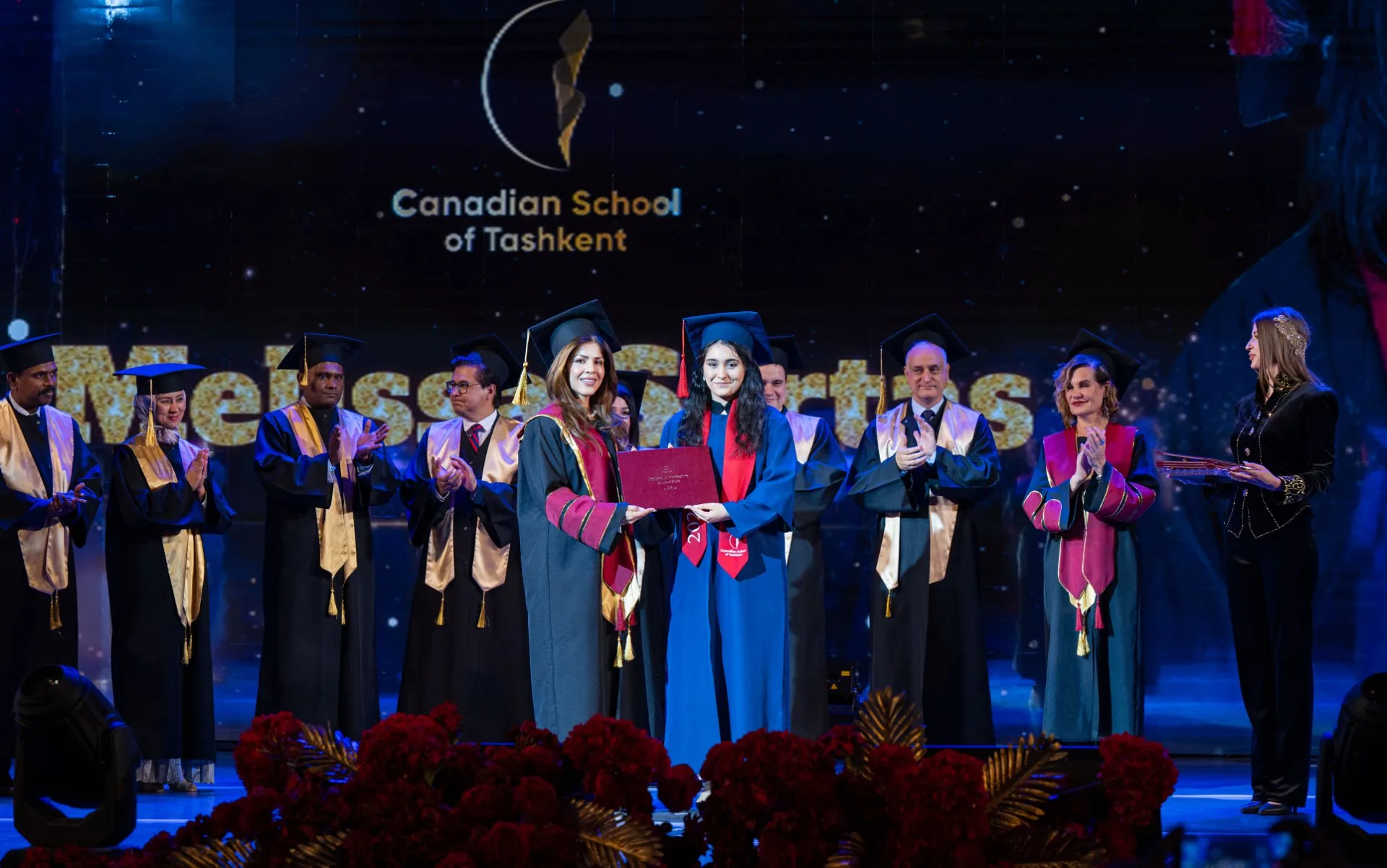
Students follow the internationally recognised Nova Scotia curriculum while continuing to meet Uzbekistan’s national educational requirements. The Nova Scotia curriculum is respected around the world for its academic rigour, balanced approach and strong preparation for higher education. It develops not only subject knowledge but also critical thinking, communication, research and independent learning, the very qualities universities increasingly expect from successful applicants.
By combining international standards with national requirements, CST students enjoy the advantages of a globally recognised education while remaining connected to their own language, culture and educational pathway. Students who successfully complete all graduation requirements may graduate with three qualifications.
The Nova Scotia High School Diploma
The Uzbekistan National Certificate
The CST Diploma
Preparing for university, and for life
Academic excellence remains at the heart of the program. Students study advanced English Language Arts, Mathematics, Sciences, Canadian History, Global Studies and other university-preparatory subjects through the Nova Scotia curriculum.
Learning extends well beyond textbooks. Students investigate complex questions, conduct research, complete practical investigations, analyse evidence, write academic papers and present their ideas with increasing confidence. Teachers challenge students not only to remember information but to evaluate it, question it and apply it in unfamiliar situations, the habits of successful university students.
Future-Ready by design
The world our graduates enter will not be the world their parents entered. That is why CST deliberately extends education beyond traditional academic subjects.
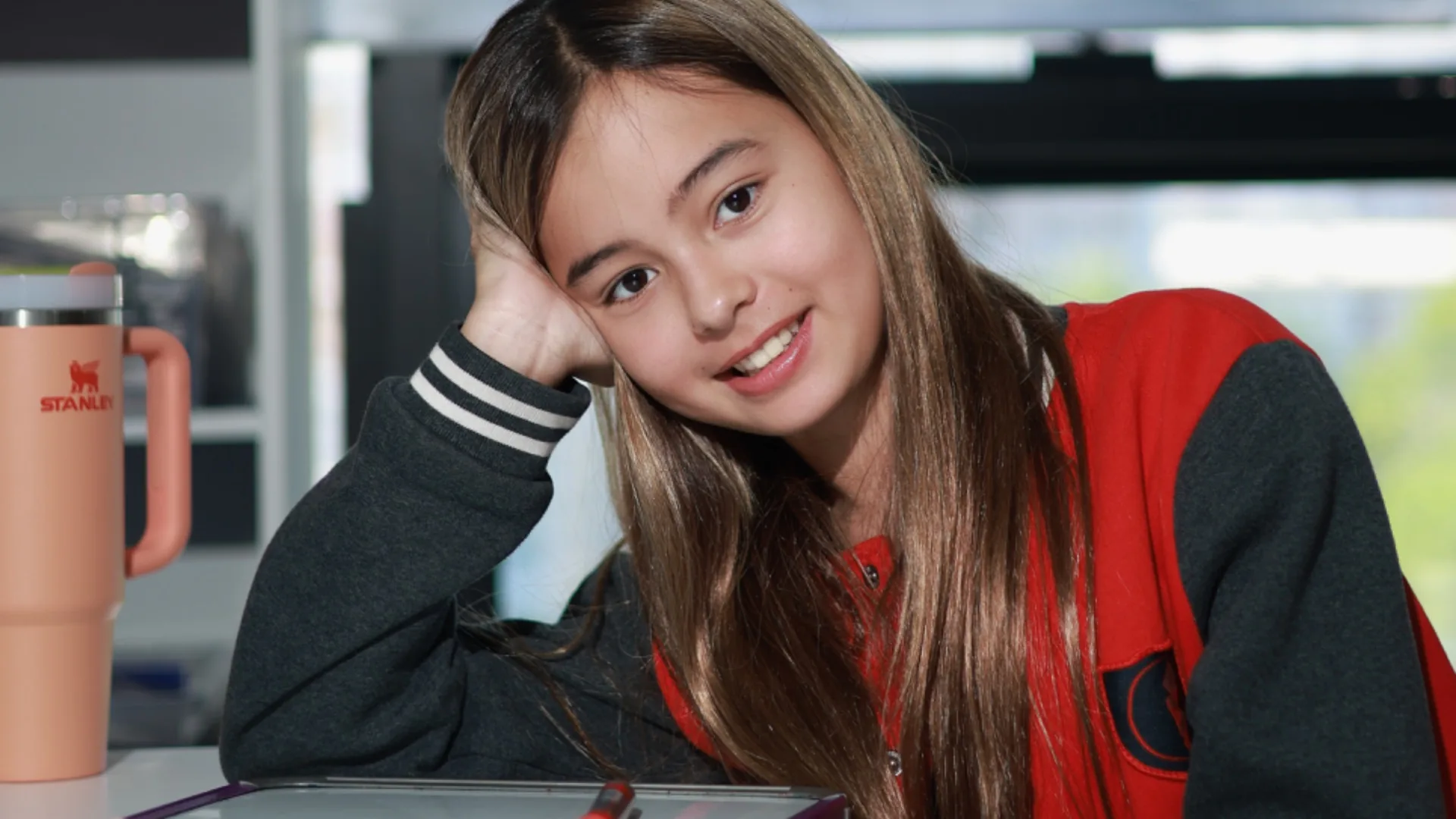
High School students continue the Future-Ready program through courses such as Artificial Intelligence Literacy, Digital Media, Robotics, Psychology, Personal Finance, Philosophy & Ethics, Environmental Studies, Executive Skills and University Guidance. These are not optional extras. They are carefully designed components of the curriculum that help students understand technology, think ethically, manage themselves effectively and prepare confidently for adult life.

Learning beyond the classroom
Students are encouraged to represent CST in national and international competitions, participate in research, leadership programs, service initiatives, student organisations and extracurricular activities that challenge them to apply their learning in authentic contexts.
These experiences build confidence, resilience, teamwork and leadership while helping students discover passions that often shape future university choices and careers. Education is not measured only by examination results. It is measured by the opportunities students have to grow.
Assessment with purpose
High School assessment reflects the expectations of internationally recognised secondary education. Students complete coursework, laboratory investigations, presentations, research projects, practical assessments and formal examinations in accordance with Nova Scotia requirements for credit-bearing courses, while CST-designed courses follow the school’s own assessment framework.
Throughout these years, assessment serves two equally important purposes: demonstrating achievement and improving learning. Teachers provide regular feedback, monitor progress carefully and support students as they prepare for graduation, university applications and future success.
They graduate able to
From Kindergarten to a Nova Scotia diploma — start your child’s CST journey.